First Chapter presents Book Bar: A literary swap party! 📚🍸
Hi everyone, and a happy new month!
With a new month comes a new calendar of events, and we're hosting our first ever Book Bar. It's basically a book swap party where you bring a book (or two) you're willing to let go of, and trade it for one someone else brings along. The night will feature readings from friends of First Chapter, along with light refreshments, a complimentary drink on arrival, and giveaways.
It's also a great chance to mingle with fellow book lovers, as we continue making our way through last month's pick: Toni Morrison's 1987 novel, Beloved.
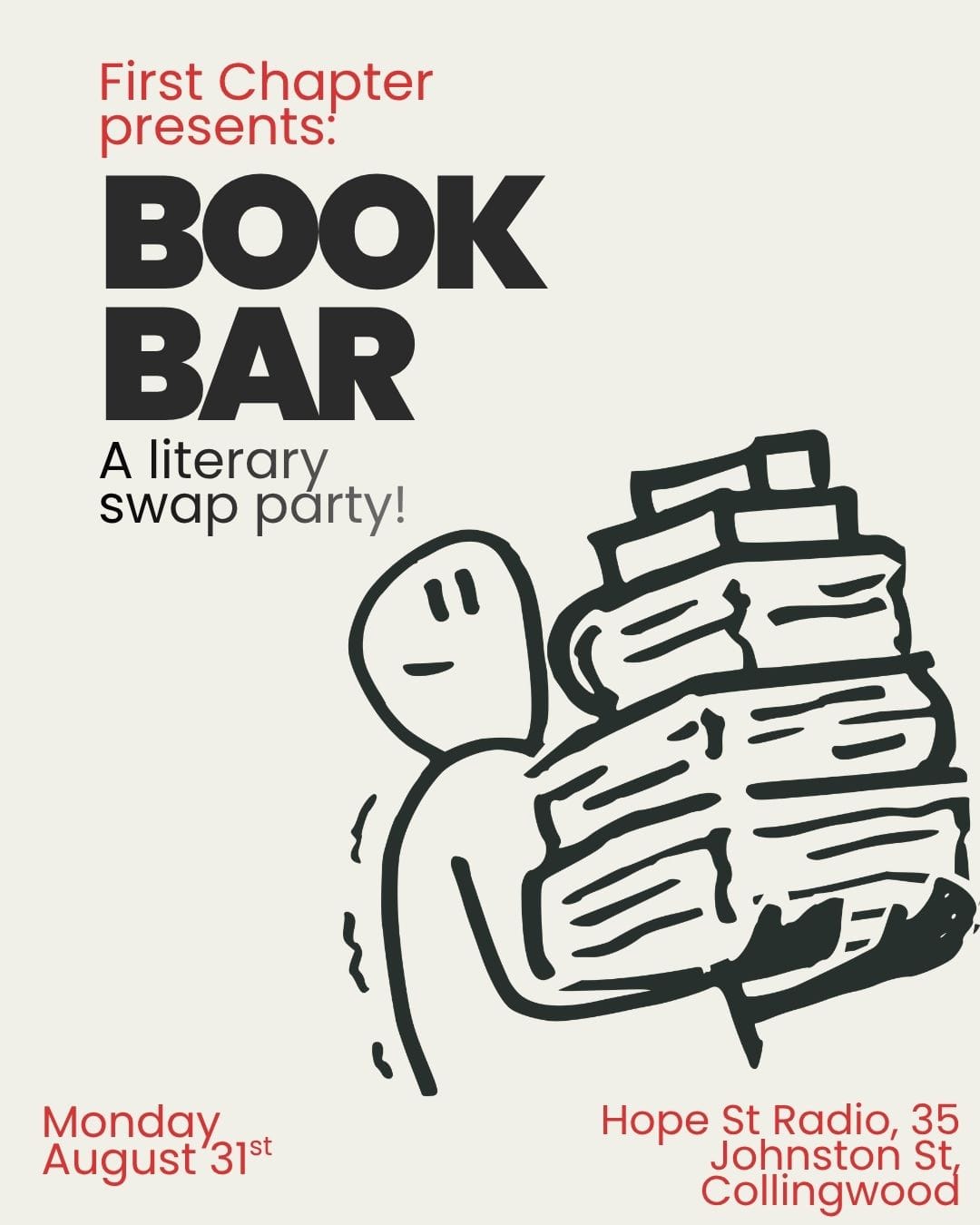

Tickets can be purchased via this link, and use the code FIRSTCHAPTER10 for a discount.
Staying with literature, yesterday marked James Baldwin's birthday — a titan of language who left us with so much. Earlier this year, we read If Beale Street Could Talk, his 1975 novel, guest curated by The Monthly editor, Michael Williams.
Also worth reading is this fantastic 2014 essay in The New Yorker by June's guest curator, Teju Cole, "Black Body," in which he retraces Baldwin's footsteps in Leukerbad, Switzerland.
There’s no world in which I would surrender the intimidating beauty of Yoruba-language poetry for, say, Shakespeare’s sonnets, nor one in which I’d prefer the chamber orchestras of Brandenburg to the koras of Mali. I’m happy to own all of it. This carefree confidence is, in part, the gift of time. It is a dividend of the struggle of people from earlier generations. I feel no alienation in museums. But this question of filiation tormented Baldwin considerably. He was sensitive to what was great in world art, and sensitive to his own sense of exclusion from it. He made a similar list in the title essay of “Notes of a Native Son” (one begins to feel that lists like this had been flung at him during arguments): “In some subtle way, in a really profound way, I brought to Shakespeare, Bach, Rembrandt, to the Stones of Paris, to the Cathedral at Chartres, and the Empire State Building a special attitude. These were not really my creations, they did not contain my history; I might search them in vain forever for any reflection of myself. I was an interloper; this was not my heritage.” The lines throb with sadness. What he loves does not love him in return.
This is where I part ways with Baldwin. I disagree not with his particular sorrow but with the self-abnegation that pinned him to it. Bach, so profoundly human, is my heritage. I am not an interloper when I look at a Rembrandt portrait. I care for them more than some white people do, just as some white people care more for aspects of African art than I do. I can oppose white supremacy and still rejoice in Gothic architecture.
I enjoyed revisiting Teju's essay after a weekend spent listening to classical music, thanks to the Melbourne Symphony Orchestra, and engaging with European art from the 18th and 19th centuries at the NGV. Like Teju, I see it all as part of my inheritance, even if the makers of these works came from backgrounds far removed from my own.
Speaking of music, over at No Skips, we're throwing our first all-ages day party! Everyone's welcome, including furry friends — and even your bearded dragon, Roger.
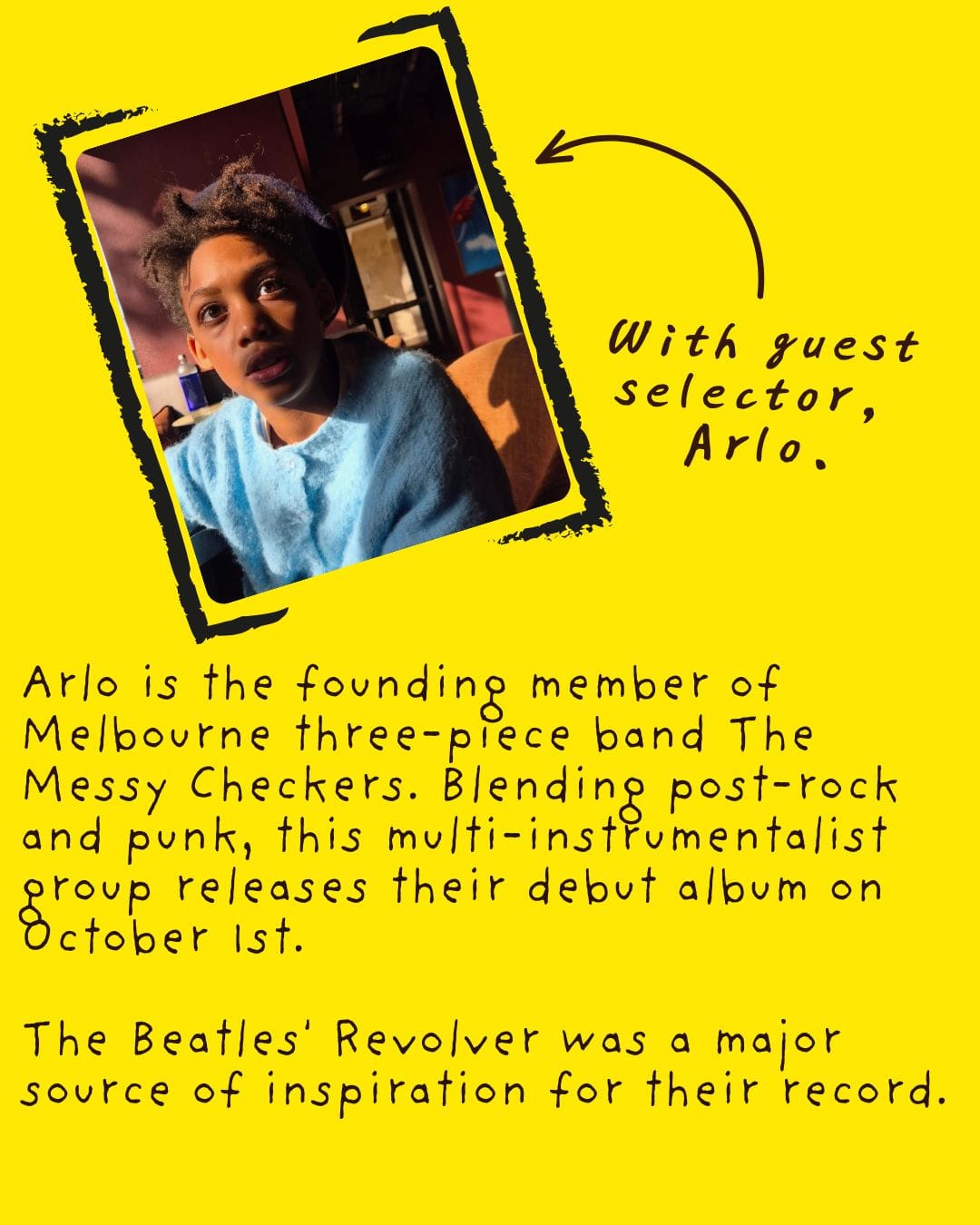
We'll be listening to The Beatles' 1966 album, Revolver, guest curated by local musician Arlo. The event will also feature an exclusive listen to Melbourne band The Messy Checkers' debut album, Checkmate. It drops October 1st, and you can pre-order a copy here.
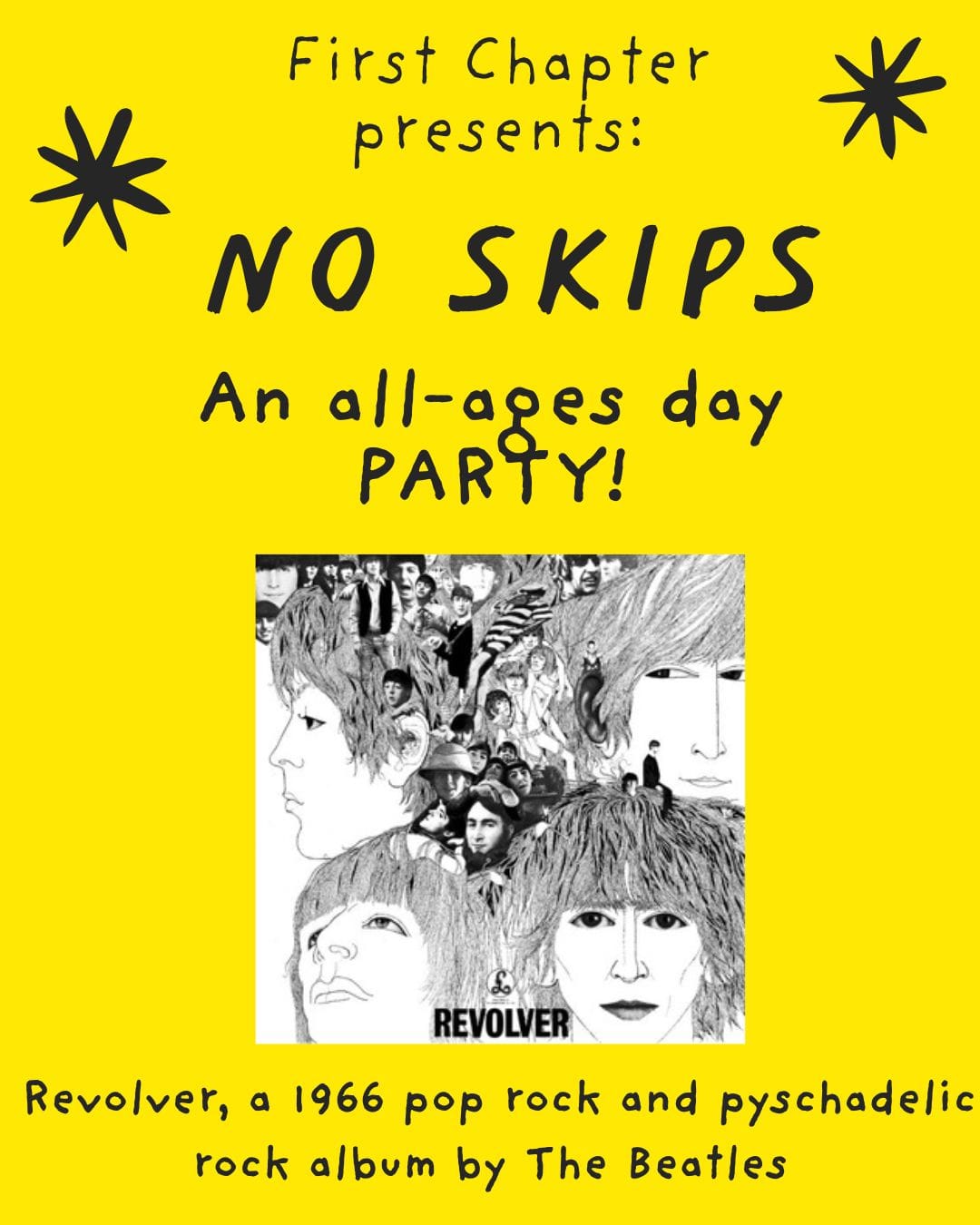

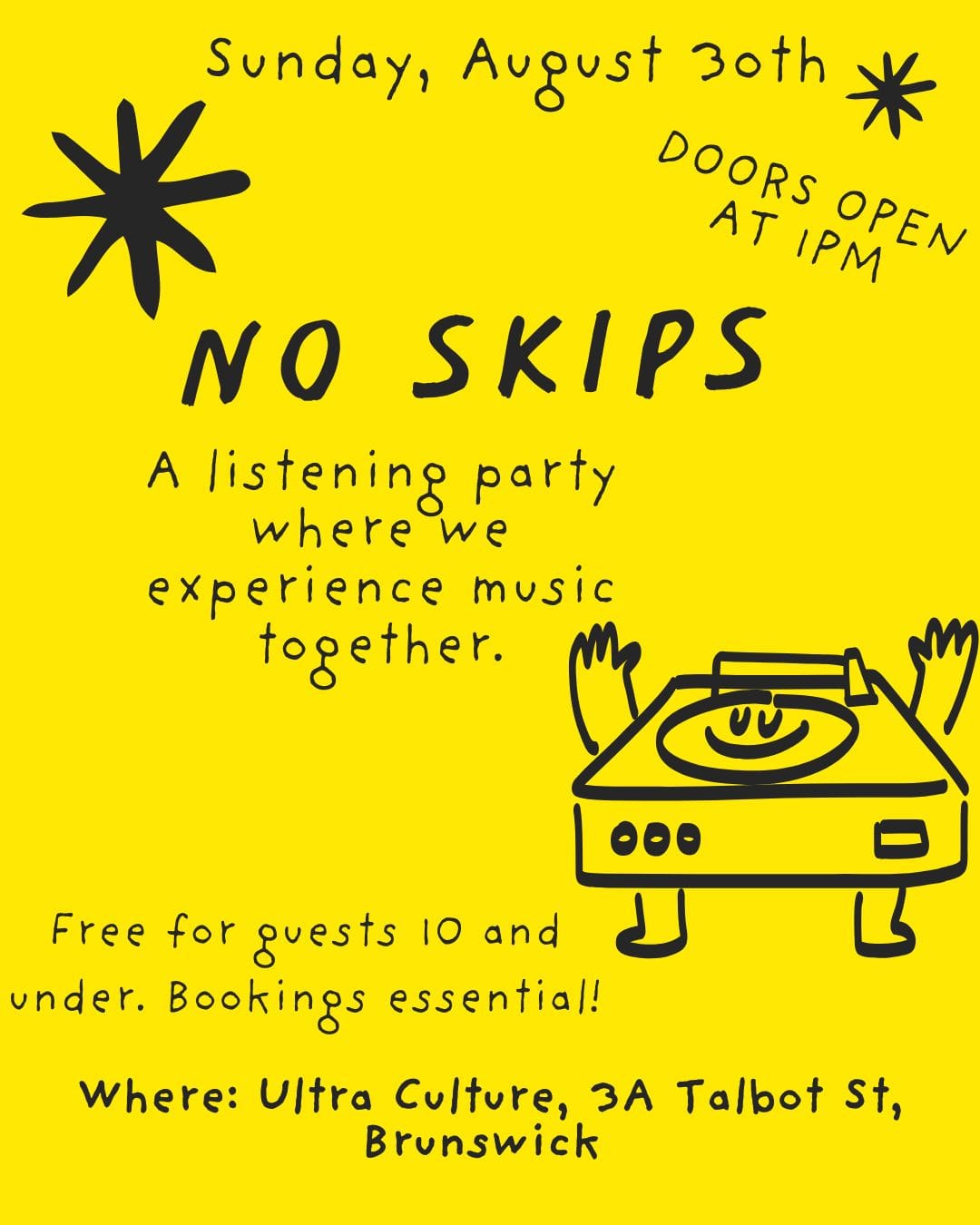
The party will run from 1pm to 4pm at Ultra Culture in Brunswick. It's free for friends aged 10 and under — follow this link to book.
If you're coming along to tonight's No Skips party, we'll be listening to Eddie Palmieri's Grammy-winning album, The Sun of Latin Music, guest curated by Chris Gill from Northside Records.
See you soon,
Santilla